
Imagine this: You’ve just graduated from college and you’re ready to start your adult life. You land a great job and find the perfect apartment, but when you go to apply for a car loan or set up utilities, you’re told that your credit score isn’t high enough to get the best deal.
In a world where credit plays a huge role in everything from renting an apartment to buying a car, understanding how it works is more important than ever. But don’t worry; learning about your credit score and how to manage it isn’t as complicated as it may seem. In this blog, we’ll walk you through the basics, why it matters, and how you can start taking control of your financial future.
What Is a Credit Score?
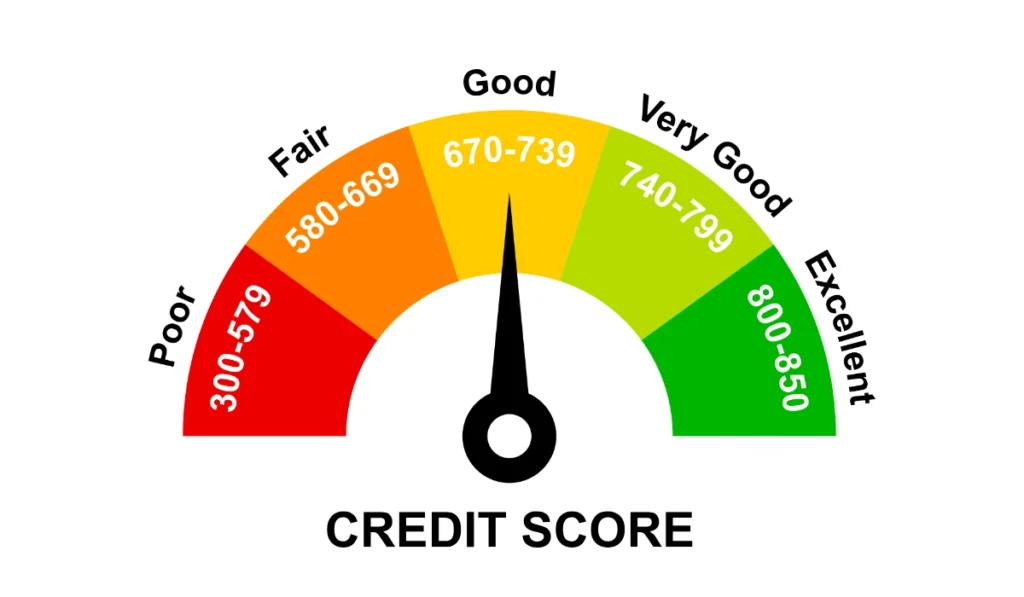
Think of your credit score as a quick snapshot of how reliably you handle borrowed money. It’s a three-digit number, usually ranging from about 300 to 850, that tells lenders how likely you are to repay what you owe.
In general, the higher your score, the more “trustworthy” you look to lenders. That can mean:
- You’re more likely to be approved for loans or credit cards
- You may qualify for lower interest rates, which saves you money
- You might pay smaller deposits for things like apartments, phones, or utilities
Your credit score is based on information in your credit report, which is basically your financial “report card.” Some of the big things that go into your score include:
- Payment history: Do you pay your bills on time?
- Credit utilization: How much of your available credit are you using? (Using less is usually better.)
- Length of credit history: How long you’ve had credit accounts open.
- Types of credit: A mix of credit cards, student loans, car loans, etc.
- New credit/inquiries: How often you apply for new credit.
Why Does a Credit Score Matter?
Your credit score plays a key role in many everyday decisions, from getting approved for an apartment to financing a car.
Landlords often check your score to decide if you’re a reliable renter, and a higher score can help you avoid higher deposits or even be the deciding factor in securing your dream apartment. When it comes to big purchases like cars or homes, your score also impacts whether you’ll be approved and the interest rate you’ll receive. A good score means better rates, saving you money in the long run.
Credit cards are another area where your score matters. A higher score gives you access to better credit cards, with perks like lower interest rates, cash back, or rewards points. On the other hand, a lower score could limit your options or result in higher fees. Having a strong credit score can also save you hundreds or even thousands of dollars over time by reducing the interest you pay on loans.
Your credit score can also affect your financial reputation. Employers, insurance companies, and even roommates may use it to assess your reliability. A solid score opens doors and can reduce stress, as you won’t have to worry about being turned down for credit when you need it most. In short, improving your credit score now can lead to better opportunities and greater peace of mind in the future.
Related: 5 money moves to make before you turn 40 >>
How to Check Your Credit Score and Credit Report
Checking your credit score is easier than you might think, and it won’t hurt your score at all. Here’s how to do it, step-by-step.
- Checking Your Credit Score:
Your credit score is often available for free from several places. Many banks and credit card companies offer free access to your score through their online banking platforms. There are also free services like Credit Karma and Credit Sesame, where you can check your score anytime. These tools usually provide a basic overview of your score and how it’s trending.
While checking your score is free, it’s important to know that some services offer more detailed features for a fee, like regular monitoring or additional credit insights. For most people, the free options are more than enough to get started.
- Checking Your Credit Report:
Your credit report contains a detailed history of your credit activity, including credit cards, loans, and payment history. Unlike the score, your credit report is something you should check at least once a year to ensure everything is accurate.
You can get a free copy of your credit report from each of the three major credit bureaus — Equifax, Experian, and TransUnion — once every 12 months through AnnualCreditReport.com. This is the only official site authorized by the U.S. government to offer free credit reports.
When reviewing your credit report, look for any mistakes or accounts you don’t recognize. Sometimes, errors can pop up, or you might spot fraudulent activity. It’s also important to check for any late payments you may have missed or forgotten. If you find an error, you can dispute it directly with the credit bureau.
- Credit Score vs. Credit Report:
While your credit score is a number that reflects your overall creditworthiness, your credit report provides all the details behind that number. You can think of your credit report as the “story” of how you got to your current score. It includes information like:
- Your personal information (name, address, etc.)
- Your credit accounts (credit cards, student loans, mortgages)
- Payment history (whether you’ve paid bills on time)
- Inquiries (who’s checked your credit)
- Any negative marks (like bankruptcies or collections)
Checking both your score and your report regularly helps you stay on top of your financial health. Keep in mind that while your score is updated more frequently, your credit report might take longer to reflect changes, like a newly paid-off loan.
By regularly reviewing both your credit score and your credit report, you can spot problems early, stay on track, and make informed decisions about your finances.
How Fidelity Federal Can Help
At Fidelity Federal, we’re not just here to help you with banking. We’re here to help you build a strong financial future. Your credit score and report are important parts of that, and we want to make sure you feel confident about understanding and improving them.
If you’re just starting out and looking to build your credit, our share loans are a great option. A share loan is a secure personal loan that uses your savings at Fidelity Federal as collateral for your loan. You can borrow up to 90% of your account balance, and you’ll pay a low interest rate on the borrowed amount. Share loans can be a great way to build your credit score.
If you ever have questions about your credit or how to improve it, just stop by or give us a call. We want to be a resource to help you achieve your financial goals.